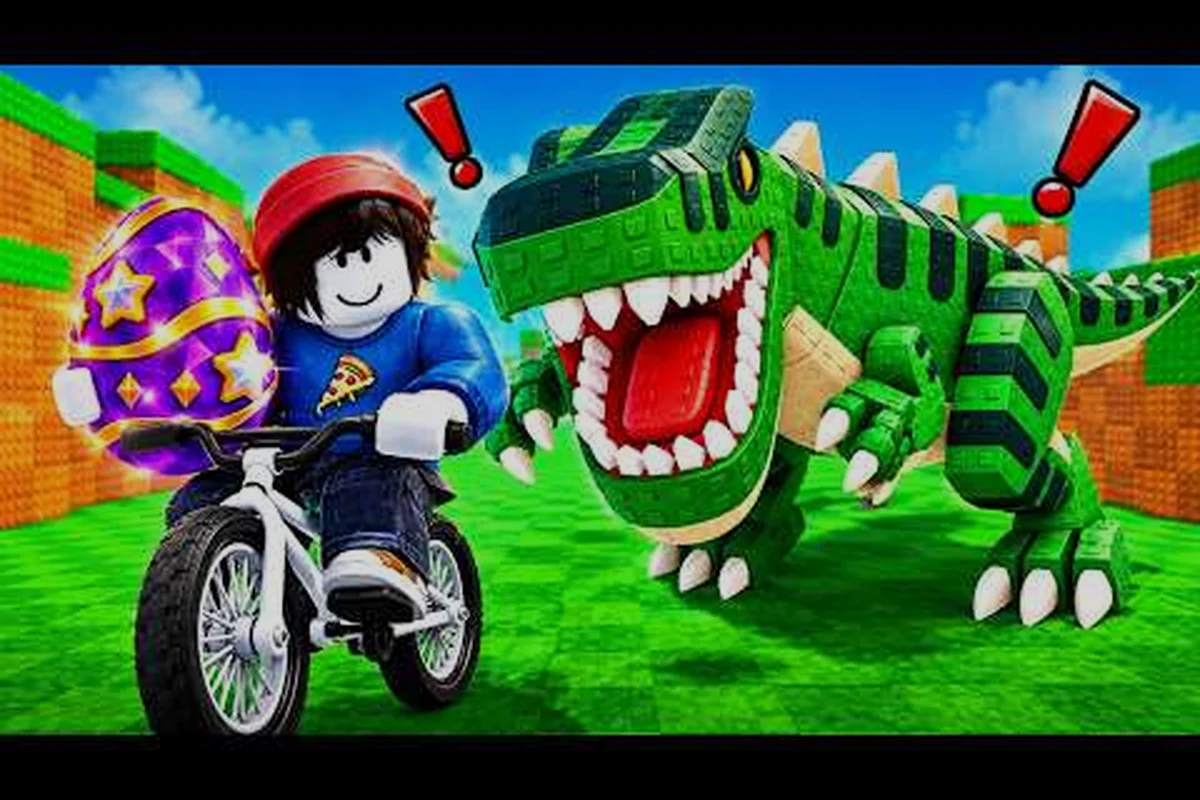
Hitting a full inventory right when a rare egg cracks open is one of the most frustrating moments in Bike For Egg pet storage management, and it happens to almost every player in their first hour. Understanding how slots fill, what each expansion costs, and which shop pets deserve a permanent home keeps your collection moving instead of stalling.
How Storage Space Works and When to Expand
Every pet you hatch or purchase occupies a single slot in your collection, and the starting capacity is deliberately tight. The game hands you a small roster early so you learn to evaluate pets rather than hoard them, which is why the first storage wall usually arrives around the same time as your second or third egg tier.
Storage in this Roblox experience is not a passive number you ignore. When the counter reads full, new hatches are blocked until you either release a pet or pay for more room, so the decision point is real and immediate. Players who plan their expansions report far fewer wasted eggs than those who react after the fact.
The Starting Slot Count and Why It Feels Small
New accounts begin with a compact collection cap that comfortably holds your tutorial pets and one or two lucky pulls. That number is intentionally below the total pet pool, so you are forced into the core loop of the game: hatch, compare, keep the best, and release the rest. Treating the starting cap as a permanent home rather than a temporary shelf is the single most common beginner mistake.
The practical consequence is that your first few slots should go to pets that earn, not pets that merely look interesting. A cute low-tier pet sitting in a slot is a slot you cannot use for the next egg, and the opportunity cost compounds every session.
What Happens When the Counter Is Full
When storage is maxed, the hatch prompt refuses to open a new egg and the shop will not complete a purchase for an additional pet. The game does not auto-delete anything, so nothing is lost, but your progression effectively pauses until you free space. Community reports describe this as the most common reason players abandon a farming session early, since the fix requires a detour to the release menu or the expansion purchase.
Freeing space is instant and free, so the real cost is time and attention. Treat it as a pre-flight checklist rather than a mid-run scramble: open the pet inventory, sort by duplicate count, and release every spare copy of a common-tier pet before you buy a single Bike For Egg shop pet or start a long hatching run. This matters because the counter caps at a fixed number of slots, and a single stacked hatching session can fill several of them in minutes — if you begin with only one or two open slots, the hatch prompt will lock again almost immediately and force another detour to the release menu. Clearing duplicates and obvious downgrades up front keeps the whole session flowing, and it also protects the rarer Bike For Egg unlock pets you are deliberately farming toward, since you will not be tempted to release a keeper just to squeeze in one more egg.
Bike For Egg Unlock Pets: Expansion Costs and Timing
Expansion pricing scales as your collection grows, which means the cheapest slots are always the ones you buy earliest. Waiting until you are desperate tends to cost more per slot than buying proactively when you have the cash on hand. The table below reflects the general progression pattern reported by players, and exact figures may shift with updates.
| Expansion Stage | Typical Cost Range | Slots Gained | Best Time to Buy |
|---|---|---|---|
| First expansion | Low, affordable after one short run | Small bundle | As soon as you hit the first wall |
| Second expansion | Moderate, needs a few dedicated runs | Small bundle | After your first high-tier hatch |
| Mid-game expansion | Noticeably higher | Medium bundle | Before a long hatching session |
| Late-game expansion | Premium pricing | Large bundle | Only when chasing index completion |
The pattern is consistent: each purchase costs more than the last, so front-loading your expansions while prices are low saves meaningful currency over a full playthrough. If you are still deciding how to spend early cash, the best bike upgrades guide explains why mobility purchases and storage purchases compete for the same wallet.
When to Prioritize Slots Over New Pets
Buy a slot the moment you find yourself releasing a pet you actually wanted to keep. That is the clearest signal that capacity, not luck, is your bottleneck. Conversely, if your collection is full of pets you would release anyway, you do not need more room — you need a stricter keep-or-release rule.
A simple test works well: if you cannot name what a pet does for your income or your index progress, it does not deserve a slot. In practice, run each pet through two questions — does it boost egg earnings or hatch speed, and does it fill an entry in the index that unlocks a permanent reward? A pet that fails both is dead weight, even if its rarity looks impressive in the shop. Applying that filter usually frees two or three spaces without spending anything, and those reclaimed slots are exactly what you need before chasing a Bike For Egg unlock pet from a later zone.
Reading the Shop Before You Commit
The pet shop rotates stock, and premium entries are expensive enough that a wasted purchase stings. Check what is available before you spend on expansion, because a shop pet you actually want is worth more than an empty slot you are not ready to fill. Players who track shop rotations report fewer impulse buys and better long-term collections.
Bike For Egg Shop Pets: Which Purchases Deserve a Slot
Not every shop pet justifies permanent storage. Some are strong earners, some exist mainly for index completion, and some are traps for new players with limited currency. Sorting shop stock into those three buckets before you buy keeps your collection lean and your income climbing.
| Shop Pet Type | Storage Priority | Why It Matters |
|---|---|---|
| High earners | Keep permanently | Direct income contribution every session |
| Index-only entries | Keep until logged, then release | Completion reward value, low ongoing use |
| Duplicate mid-tiers | Release immediately | No benefit beyond the first copy |
| Event or limited pets | Keep permanently | Often unavailable after the rotation ends |
If you want a clearer picture of which pets actually produce money rather than just occupying space, the pets speed and income breakdown ranks earners by output so you can decide what earns a permanent slot.
The Buy-or-Hatch Decision
Hatching is free but random; buying is expensive but deterministic. Storage pressure changes that math, because a purchased pet you specifically wanted is worth more than three random hatches that fill slots with duplicates. When your capacity is tight, targeted purchases beat volume hatching almost every time.
Spotting Low-Value Shop Traps
Any shop pet whose only selling point is appearance should be skipped while your slots are limited. The same applies to pets that duplicate a role you already cover — a second mid-tier earner adds nothing that the first one does not already provide. Reserve purchases for gaps in your roster.
Bike For Egg Buy Pets: A Practical Slot Management Routine
The players who never seem to run out of room are not luckier hatchers; they follow a routine. A short pre-session cleanup and a clear keep rule prevent the mid-hatch stall that wastes eggs and patience. The underlying cause is simple: every duplicate pet and every low-tier keeper occupies a slot that a fresh Bike For Egg unlock pets hatch could have used, and once storage hits its cap the hatch queue simply refuses new eggs until you free space. Set your keep rule around the income floor of your current roster — if a new pet's earnings do not beat your weakest keeper, it is a release candidate — then run the cleanup pass below before you start buying eggs.
-
Clear duplicates first — every extra copy of a pet you already own is dead weight.
-
Release anything below your current income floor — if it does not beat your weakest keeper, it goes.
-
Log index entries before releasing — completion progress is permanent even after the pet leaves.
-
Buy expansions before long sessions — arriving with spare slots beats stopping halfway.
-
Re-check the shop rotation weekly — limited stock disappears without warning.
That routine pairs naturally with passive income setups, since a lean collection and a steady cash flow mean you can afford expansions without interrupting your grind. The AFK farming loop guide covers how to keep currency coming in while you manage your roster.
A Slot Audit You Can Run in Two Minutes
Open your collection, sort by income, and look at the bottom third. For each pet there, ask whether it is logged in the index and whether it beats anything above it. Anything unlogged gets logged; anything logged and outclassed gets released. Most players recover two to four slots this way on the first pass, which is often enough to skip an expansion entirely.
Matching Storage to Your Collection Goal
If your goal is a complete index, you need temporary space rather than permanent space — log and release. If your goal is maximum income, you need a small number of permanent slots and can stay lean. Knowing which goal is active this week stops you from over-buying capacity you will not use. The Animal Index completion breakdown explains what full completion actually pays out, which helps you judge whether temporary storage churn is worth the effort.
Bike For Egg Pet Roblox: Common Storage Mistakes
Most storage problems trace back to a handful of habits that are easy to fix once named. The official developer video from Huron Games shows the collection and inventory behavior that grounds these systems, and the official Bike For Egg! developer video is a useful reference for how the game presents its roster and progression.
| Mistake | Consequence | Fix |
|---|---|---|
| Hoarding every hatch | Slots fill within minutes | Apply a keep-or-release rule |
| Buying expansions reactively | Higher per-slot cost | Buy early while prices are low |
| Ignoring index logging | Lost completion progress | Log before releasing |
| Buying cosmetic shop pets | Wasted currency and slots | Skip until capacity is comfortable |
| Never auditing the roster | Hidden dead weight | Run a two-minute audit weekly |
Why Reactive Expansion Costs More
Because expansion prices climb with each purchase, buying after a crisis means you are paying the higher tier for the same benefit. Players who buy their first two expansions early report spending noticeably less overall than those who wait. The savings are not dramatic per purchase, but they add up across a full playthrough.
The Duplicate Blind Spot
Duplicates are the quietest storage killer. A duplicate looks harmless because it is a good pet, but it provides nothing the original does not. Set a hard rule: one copy per pet unless you have a specific reason, and revisit that reason monthly.
Frequently Asked Questions
How many pets can I store at the start in Bike For Egg?
New accounts begin with a small collection cap that holds your tutorial pets plus a couple of lucky pulls. It is intentionally below the full pet pool, so you are pushed into comparing and releasing rather than hoarding. Most players hit the first wall within their first few hatching sessions.
Is it better to buy storage or buy pets first?
Buy your first storage expansion before your first premium pet purchase. Slots get more expensive with each purchase, so early capacity is cheaper, and an empty slot lets you keep a good hatch instead of releasing it. Premium pets come after you have room to hold them.
What should I do when my pet storage is full mid-session?
Release duplicates and any pet that does not beat your weakest keeper, then log anything unlogged in the index before it goes. If you still need room, buy the next expansion rather than releasing a pet you actually want, since reacquiring a specific pet is far harder than earning the currency again.
Do shop pets take up the same storage slots as hatched pets?
Yes, purchased pets occupy the same collection slots as hatched ones, so a shop purchase can push you over capacity if you are already near the limit. Check your free slots before buying from the rotating shop, and release a low-value pet first if you are tight.
Does releasing a pet lose my index progress?
No. Once a pet is logged in the index, the entry stays permanently even after you release the pet itself. That is why the standard routine is to log first and release second, letting you reclaim slots without sacrificing completion progress toward the index reward.
Storage in Bike For Egg rewards planning more than luck. Buy expansions early while they are cheap, keep only pets that earn or complete your index, and run a quick roster audit before every long hatching session. Do that, and a full collection becomes a decision you make rather than a wall you hit.