
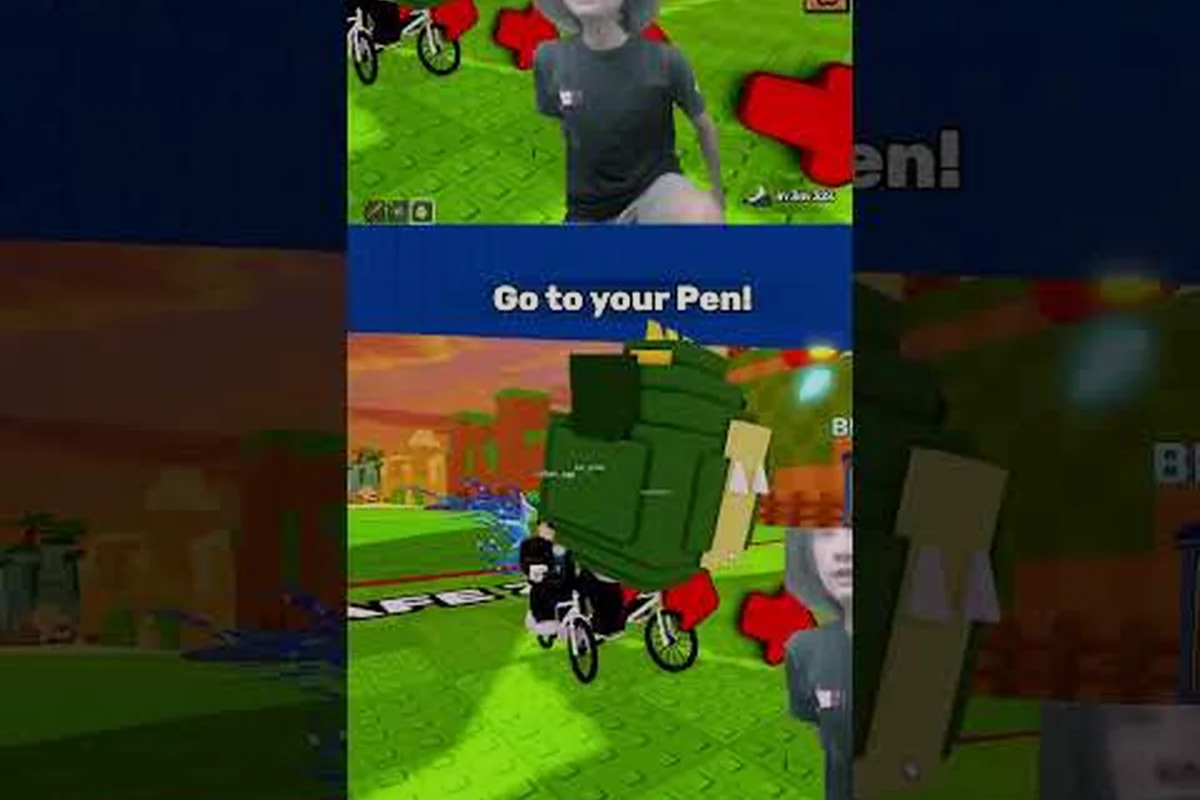
Your first bike purchase in Bike For Egg! decides how fast the steal-hatch-earn loop actually spins, and most new players burn their opening cash on the wrong ride. This Bike For Egg bike for beginners breakdown shows which starter frame pays off, how the speed multiplier compounds, and when a treadmill beats a second bike.
The core loop is simple: ride, steal eggs, hatch pets, earn cash. Speed is the throttle on all of it. A slow bike means fewer egg runs per minute, and fewer runs means a stalled economy. That is why the first purchase matters more than any cosmetic or pet roll you will make in your opening session.
Why Your First Bike Purchase Sets the Pace
Every egg run is a race against other players and against your own cash-per-minute clock. The bike is the only tool that touches both sides of that equation, because it moves you to egg spawns faster and lets you escape with a full load before someone intercepts you. Beginners who skip the bike and save for pets usually stall out, since pets scale off income you have not generated yet.
Community first-ride footage, including PlayNexio's first-time Roblox run, shows the same pattern: new players who grab a ride early clear their first eggs noticeably quicker than those who walk the map. The clip also captures the immediate confusion of the steal-hatch-earn loop, which is exactly the phase where a starter bike smooths the learning curve.
Here is what the bike actually controls in your first hour: the bike's speed multiplier directly compresses the two numbers that decide your early progress — seconds per egg run and eggs banked per minute. A stock starter bike already trims the walk between spawn and base, but the real payoff shows up once you compare it against the treadmill alternative: the bike moves you, while the treadmill only generates passive income that scales off runs you have not completed yet. Track your first five egg runs with and without the ride and the gap in cash-per-minute becomes obvious.
-
Travel time between egg spawns and your base, which is the biggest hidden cost for new players
-
Escape odds when another player contests your egg, since raw speed decides most chases
-
Run frequency, because a faster loop means more hatch attempts and more pet rolls
-
Cash ceiling, since every upgrade you buy later is funded by early run volume
The takeaway is blunt: treat the bike as infrastructure, not a luxury. It is the cheapest multiplier you will ever buy, and it keeps paying out long after the purchase price is forgotten. Concretely, every coin sunk into the starter ride converts into a higher bike speed multiplier, which shrinks the walk time that otherwise eats your cash-per-minute on each egg run. That is why the Bike For Egg bike vs treadmill decision is not close for a beginner: the treadmill's passive trickle cannot out-earn the extra runs a faster bike unlocks, and the first Bike For Egg bike upgrades list tier is usually cheaper than the pets beginners are tempted to save for. Buy the ride first, then let the run volume fund everything else.
Bike For Egg Best Starter Bike: What to Buy First
The starter tier is where most of the value sits, because the jump from walking to riding is enormous while the jump from a starter frame to a mid-tier frame is incremental. Buy the cheapest ride that meaningfully beats walking, then pour the savings into speed upgrades rather than a fancier model.
A practical way to judge any candidate is to score it on three axes: purchase cost, base speed, and how well it accepts upgrades. A frame that is cheap but caps out early is a trap, while a slightly pricier frame with room to grow saves you a second purchase later.
| Starter Option | Cost Tier | Base Speed Feel | Upgrade Headroom | Beginner Verdict |
|---|---|---|---|---|
| Default walking | Free | Slowest | None | Only until you can afford a ride |
| Entry-level bike | Low | Noticeably faster | Moderate | Best first buy for most players |
| Mid-tier bike | Medium | Fast | Good | Skip until income stabilizes |
| Premium bike | High | Fastest | Best | Late-game goal, not a first pick |
The pattern across community reports is consistent: the entry-level bike is the best starter bike for the money, and the mid-tier frame only becomes worth it once your egg income can absorb the hit without delaying your treadmill or base spending. Buying premium too early starves the rest of your setup.
Reading the Stats Before You Commit
Before you confirm any purchase, check the speed figure against your current ride rather than against walking. A frame that is 20 percent faster than your current bike sounds impressive, but if the price equals several treadmill upgrades, the treadmill usually wins on raw output. Compare cost-per-speed-point, not sticker price.
How the Bike For Egg Bike Speed Multiplier Actually Works
The Bike For Egg bike speed multiplier is the number that turns a decent frame into a fast one, and it stacks with the boosts you get elsewhere in your base. Think of it as a percentage layered on top of base speed: a modest multiplier on a good frame beats a huge multiplier on a slow one, because multipliers scale whatever they are applied to.
That is the single most important beginner insight. Upgrading a fast frame multiplies a large number; upgrading a slow frame multiplies a small one. So the correct order is frame first, multiplier second, and only then cosmetic or convenience purchases.
| Upgrade Layer | What It Affects | Relative Cost | Priority for Beginners |
|---|---|---|---|
| Base frame purchase | Raw top speed | Low to medium | First |
| Bike speed upgrades | Multiplier on base speed | Medium | Second |
| Treadmill boosts | Separate speed source | Medium | Third, once income flows |
| Pet speed bonuses | Percentage stacking | Varies | Fourth, after core setup |
Stacking works best when you raise the base before the multiplier. Players who chase multiplier upgrades on a starter frame often report feeling stuck, because the percentage gain is applied to a number that was never raised. Fix the base, then stack.
Where Multipliers Come From
Multiplier sources include bike upgrade tiers, treadmill progression, and pet bonuses that add a percentage to movement. The treadmill speed boost stacking guide breaks down how these layers combine, which is worth reading once you have your first frame and want to plan the next two purchases.
Bike For Egg Bike vs Treadmill: Where the Money Goes
The bike versus treadmill decision is the first real fork in a beginner's spending plan, and the honest answer is that you need both, just not at the same time. The bike moves you around the map; the treadmill generates the speed stat and income engine that funds everything else. They solve different problems.
| Spending Choice | Immediate Effect | Long-Term Payoff | Best Timing |
|---|---|---|---|
| Buy a starter bike | Faster egg runs right away | Compounds every run | First purchase |
| Buy treadmill upgrades | Speed stat growth, income scaling | Feeds all later upgrades | Immediately after the bike |
| Buy a second bike | Marginal speed gain | Low, unless replacing a weak frame | Skip early |
| Buy premium frame | Big speed jump | High, but expensive | After income stabilizes |
The trap is buying a second bike when the first one still has upgrade room. Two mid bikes rarely beat one upgraded bike plus treadmill progress, because the treadmill keeps generating value while an idle second frame does nothing. Spend on the engine before you spend on a second vehicle.
A Simple First-Hour Spending Order
-
Buy the entry-level bike as soon as you can afford it without going broke
-
Run eggs until you can fund your first treadmill upgrade
-
Alternate between bike speed upgrades and treadmill progress, keeping both moving
-
Only consider a frame replacement once your current bike is fully upgraded
-
Leave premium frames and pet chasing for after your base is stable
This order keeps your cash working at all times. The treadmill training guide explains the stat limits you will hit, which helps you decide when a bike upgrade is the better buy than another treadmill tier.
Bike For Egg Bike Upgrades List and Upgrade Order
The Bike For Egg bike upgrades list is shorter than most beginners expect, which is good news: you can realistically max a starter frame before your first hour ends. Each tier adds speed, and the cost curve rises gently enough that early tiers are almost always worth taking.
| Upgrade Tier | Speed Gain | Cost Feel | When to Buy |
|---|---|---|---|
| Tier 1 | Small but noticeable | Very cheap | Immediately |
| Tier 2 | Moderate | Cheap | After a few egg runs |
| Tier 3 | Solid | Moderate | Once income is steady |
| Tier 4 | Large | Expensive | After treadmill investment |
| Max tier | Best available | Very expensive | Long-term goal |
The rule that keeps beginners efficient: never buy a tier you cannot afford twice. If a single upgrade empties your wallet, you have no cash left to run eggs, and you stall. Buy the tier below, run more eggs, then come back.
When to Upgrade the Bike Instead of the Base
If your egg runs feel slow because travel takes too long, upgrade the bike. If your runs feel slow because you cannot afford anything, upgrade the base and treadmill. That single diagnostic question resolves most beginner spending confusion, and it stays useful well past the first hour.
Common Beginner Bike Mistakes to Avoid
The most expensive beginner mistake is treating the bike as a one-time purchase you never revisit. Speed upgrades are cheap relative to their output, and skipping them leaves you riding a frame that is technically fine but practically slow. Check the upgrade menu every time you return to base with cash.
The second mistake is buying a premium frame before your income supports it. A fast bike with no treadmill behind it produces fast but low-value runs, because the income engine that turns eggs into cash is still weak. Speed without income just means you arrive at the same small payday sooner.
The third mistake is ignoring pet bonuses entirely. Pets that add movement or income percentages stack on top of your bike and treadmill, and the ultimate pet tier list ranks which ones actually move the needle for a beginner budget. A cheap pet with an income bonus often beats an expensive speed pet early on.
Finally, do not chase cosmetic or novelty frames. They cost real cash and add nothing to your loop, because the bike speed multiplier only scales with the frames and upgrades that actually feed your treadmill income engine. A 500-cash novelty skin buys zero extra eggs per second, while that same 500 routed into a cheap speed upgrade or an income-bonus pet stacks directly on your multiplier and compounds every run. Every dollar spent on looks is a dollar not spent on the multiplier that compounds, so treat the upgrade menu as a budget line, not a shopping spree.
Putting It Together: Your First Session Plan
Start with the entry-level bike, upgrade it through the cheap tiers, then pivot to treadmill progress while keeping bike upgrades in rotation. That sequence keeps both halves of your speed setup growing, and it avoids the classic beginner trap of over-investing in one system while the other sits idle.
Track your cash-per-minute rather than your top speed. A rider with a mid frame and strong treadmill progress will out-earn a rider with a premium frame and nothing behind it, because the treadmill keeps producing while the bike only transports. Speed is a means; egg income is the end.
Once your base is stable and your bike is near max, the max speed and farming guide covers the stat cap and the fastest farm routes, which is the natural next step after this beginner phase. Until then, keep the loop tight, keep upgrades cheap, and let the multiplier do the work.
Frequently Asked Questions
What is the best starter bike in Bike For Egg?
The entry-level bike is the best first purchase because it beats walking by a wide margin at a low cost, and it accepts cheap speed upgrades. Skip mid-tier and premium frames until your egg income is steady enough to absorb the price without delaying treadmill progress.
How much does the bike speed multiplier help a beginner?
It helps a lot, but only after the base frame is upgraded. Multipliers scale whatever speed you already have, so applying them to a slow starter frame produces small gains. Raise base speed first, then stack multiplier upgrades for the biggest return.
Should I buy a bike or a treadmill first?
Buy the bike first, then the treadmill. The bike unlocks faster egg runs immediately, while the treadmill generates the speed stat and income that fund everything after. Buying the treadmill first leaves you walking slowly to spawns with nothing to spend on.
How many bike upgrades should a new player buy?
Buy every cheap tier you can afford twice over, and stop before an upgrade empties your wallet. Running eggs with zero cash stalls your progress, so keep a buffer and return for the next tier once income recovers. Most beginners max a starter frame within the first session.
Do pets replace the need for bike upgrades?
No. Pets add percentage bonuses that stack on top of your bike and treadmill, but they do not replace base speed. A pet bonus applied to a slow frame stays small, so upgrade the bike first and treat pets as a multiplier layer added afterward.