
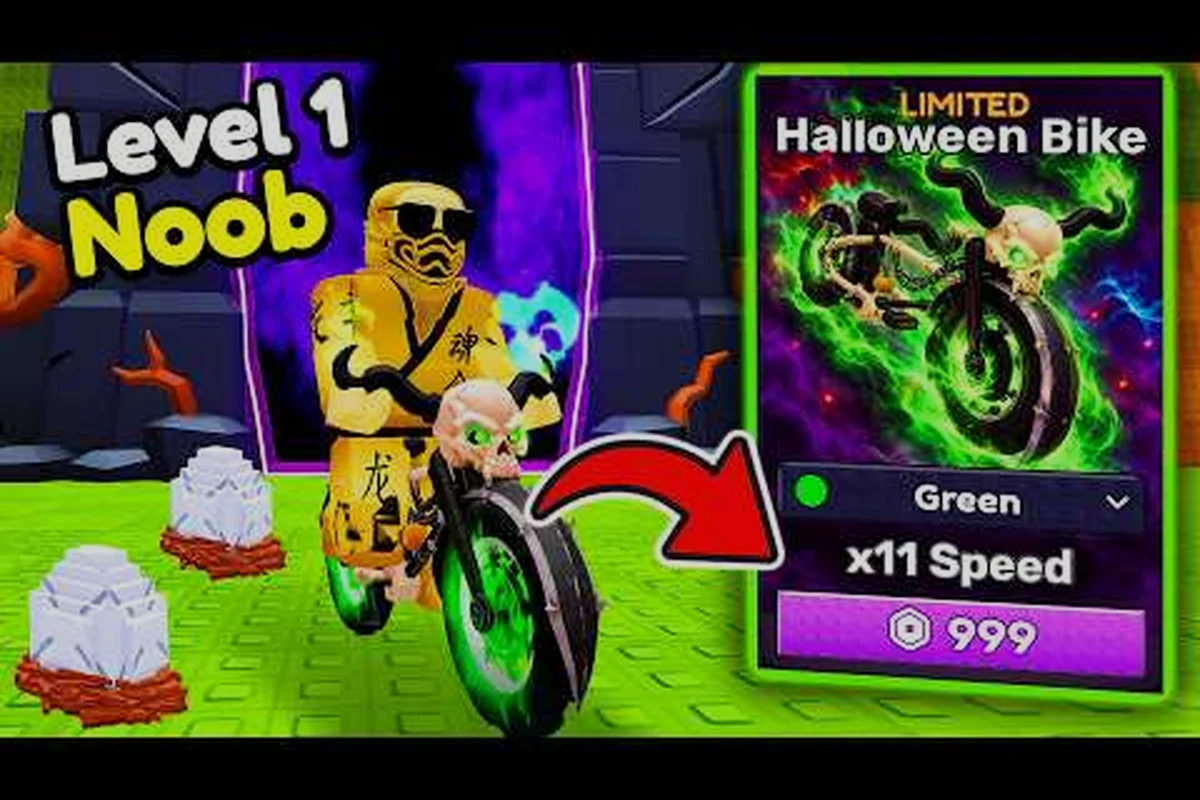
Every egg run in Bike For Egg! comes down to one question: how fast can your bike carry you across the map before the timer runs dry? Bike For Egg bike upgrades are the single biggest lever you control, and the seasonal Halloween Bike is the prize most players are chasing right now. This breakdown covers the bike shop, speed boosts, and the unlock path so you can spend your currency with confidence.
How Upgrading Your Bike Shapes Every Run
Speed is currency in this game. A faster bike means more egg spawns reached per session, more distance covered before the clock expires, and more currency banked for the next purchase. Players who ignore the upgrade loop stall out quickly, because the starter ride simply cannot reach the far corners of the map where the rarest eggs sit.
The math is straightforward. If a bike speed increase of even 20 percent lets you reach one extra egg cluster per run, that compounds across dozens of sessions. Community runs consistently show that a single high-tier purchase outperforms a pile of cheap cosmetic buys, which is why the shop order matters so much.
Here is the rough progression most players follow, and it maps directly onto how the Bike For Egg bike shop gates your egg income. Most start on the free starter bike, grind a few sessions to bank coins, then jump straight to a mid-tier shop bike because that first real bike speed increase is where value per coin peaks. From there, the coin cost per upgrade climbs sharply, so players usually save through several runs before affording a top-tier bike whose speed multiplier finally reaches the distant egg clusters. Seasonal releases like the Halloween Bike sit outside this ladder entirely, since their limited window and strong stats make them a timing decision rather than a pure coin grind.
-
Starter bike — free, slow, fine for learning controls and map layout
-
Mid-tier shop bikes — the first real speed jump, usually the best value per coin
-
Top-tier shop bikes — expensive, but the multiplier carries you to distant egg spots
-
Seasonal bikes (Halloween Bike) — limited window, strong stats, high resale interest
For a deeper look at which purchase order pays off fastest, the best bike upgrades breakdown ranks each shop bike by coins spent per unit of bike speed gained, so you can see exactly where the value curve flattens. The key takeaway: mid-tier bikes cluster near the top of that value ranking, while top-tier and seasonal rides like the Halloween Bike trade efficiency for raw ceiling. Check your current bike's speed stat against the next tier before you grind — if the multiplier gap is under roughly 15 percent, saving for a bigger jump usually beats buying the incremental upgrade.
Understanding the Speed Multiplier
Each bike in the shop carries a hidden or partially visible speed multiplier that scales your movement rate. A bike listed at a higher price is not automatically better for your situation — what matters is the multiplier relative to what you already own. Upgrading from a 1.0x ride to a 1.5x ride is a meaningful jump; going from 1.5x to 1.6x for triple the price usually is not.
According to community testing and player reports, the most expensive bikes in the shop deliver noticeably larger multipliers, which is exactly why a fresh account that buys the priciest ride can reach distant egg locations far earlier than a normally progressing player. That pattern shows up clearly in LukeBlox's most expensive bike run, where a reset noob account buys the top shop bike and immediately outpaces normal progression.
Navigating the Bike For Egg Bike Shop
The Bike For Egg bike shop is where all permanent progression happens, and knowing how to read it saves you from wasting coins. The shop presents bikes in a fixed order with escalating prices, and each entry shows the ride's visual model plus its cost. What the interface does not spell out is which purchase actually moves your speed the most.
Before you buy anything, confirm three things: your current bike's speed multiplier, since the shop only shows the next tier's price and model, not the actual percentage gain; your coin balance against that price, because a marginal upgrade you'll replace after two egg-farming runs wastes coins you could bank toward a bigger jump; and whether the seasonal Halloween Bike is currently active, as its limited-time stats can outperform standard shop tiers during its window. Skipping any of these checks is how players end up buying a sidegrade instead of a real Bike For Egg bike speed boost.
-
Your current bike's multiplier — so you know the real upgrade size
-
Your coin balance versus the next tier — avoid buying a sidegrade you will replace in two runs
-
Whether a seasonal bike is active — the Halloween Bike can outclass shop options during its window
How to Buy Bikes Without Wasting Coins
The buying process itself is simple: approach the shop, open the bike list, select a ride, and confirm the purchase. The hard part is sequencing. Buying every cheap bike in order is a trap, because each cheap purchase drains coins you could have pooled toward a single strong ride.
A better approach is to skip the low tiers once you can afford a mid-tier bike, then save aggressively for the top shop option. If you want a full walkthrough of controls and the basics of getting around before you spend, the riding bikes and speed basics guide covers movement, handling, and how the bike responds at higher multipliers.
| Shop Tier | Relative Cost | Speed Gain | Best For |
|---|---|---|---|
| Starter bike | Free | Baseline | Learning the map |
| Low-tier shop bike | Cheap | Small | Early coin grinding |
| Mid-tier shop bike | Moderate | Solid | Best value sweet spot |
| Top-tier shop bike | Expensive | Large | Reaching distant eggs |
| Halloween Bike | Seasonal event | Strong | Limited-window collectors |
The mid-tier row is where most players should aim first. It is the point where the speed gain finally feels like it changes which egg clusters are reachable within a single run, and it does not require the long grind of the top tier.
Bike For Egg Bike Speed Boost Options
A Bike For Egg bike speed boost is not just about the bike you own — it is the combination of your ride's multiplier plus any training or item effects layered on top. Players often assume the bike alone determines speed, then wonder why a friend on the same model pulls ahead. The answer is usually a secondary speed source.
The main speed sources break down like this: your Bike multiplier sets the baseline movement rate for whatever ride you're currently on, but it's only one of four stacking layers. Training systems — the treadmill-style progression — raise your raw speed stat independently of the bike, so a fully trained player on a mid-tier ride can outrun an untrained player on a Halloween Bike. Speed items add temporary or permanent gains on top, and level progression unlocks faster base rides as you upgrade through the bike shop. Because these sources multiply rather than simply add, a single weak layer drags down your total — which is why players who neglect training plateau even after buying the fastest bike available.
-
Bike multiplier — the base movement rate tied to your current ride
-
Training systems — treadmill-style progression that raises your speed stat over time
-
Speed items — consumables or equipment that add temporary or permanent gains
-
Level progression — higher bike levels unlocking faster base rides
The treadmill side of the equation is worth its own deep dive, and the treadmill max level and Demon Treadmill guide explains how training speed stacks with your bike choice. Combining a strong bike with a trained speed stat is what produces the runs you see in highlight clips.
Combining Speed Buffs Without Waste
Order matters when you stack boosts. A temporary speed item applied on top of a low-multiplier bike wastes most of its value, because the percentage gain is calculated from a small base. Apply boosts after you have already upgraded your ride, and the same item produces a much larger absolute gain.
Think of it as a multiplier chain: base bike speed times training bonus times item effect. Improving the weakest link in that chain gives the biggest return. If your bike is already top-tier but your training stat is untouched, the treadmill is your next move — not another bike purchase.
| Speed Source | Type | Effort to Obtain | Impact |
|---|---|---|---|
| Bike multiplier | Permanent | Coins at shop | High |
| Training stat | Permanent | Repeated sessions | Medium to high |
| Speed items | Temporary or permanent | Drops or shop | Medium |
| Bike level | Permanent | Grinding | Medium |
How to Get the Halloween Bike Before the Window Closes
The Bike For Egg Halloween Bike is a seasonal ride tied to the Halloween event window, and it is the reason search interest spikes every October. Seasonal bikes typically require event participation rather than a plain coin purchase, which means the unlock path is different from the normal shop flow.
-
Event currency or candy collection during the active window
-
A shop or event vendor that only appears while the event runs
-
A completion requirement such as a set number of event tasks
-
A limited purchase window that closes when the season ends
Timing Your Halloween Bike Unlock
The single biggest mistake players make with seasonal bikes is waiting until the last days of the event. Event currencies often have daily caps or slow accumulation rates, so starting late can lock you out of the unlock entirely. Begin collecting the moment the window opens, even if you only play short sessions.
Prices and availability in seasonal windows also tend to climb as demand spikes near the end, so early action protects both your time and your currency. If you are still deciding whether the Halloween Bike fits your overall progression, the bike level and rare bikes guide shows how seasonal and rare rides compare against the standard level grind.
Comparing Seasonal and Standard Bikes
Choosing between the Halloween Bike and a top-tier shop bike comes down to what you value: raw permanent speed or limited-window exclusivity. Seasonal bikes usually deliver strong stats during their event, but the standard shop path remains available year-round and does not depend on a countdown.
| Comparison Point | Halloween Bike | Top-Tier Shop Bike |
|---|---|---|
| Availability | Event window only | Always available |
| Unlock method | Event participation | Coin purchase |
| Speed tier | Strong seasonal stats | High permanent multiplier |
| Best for | Collectors, event players | Long-term progression |
| Risk | Missing the window | None |
For most players, the smart play is to secure a solid shop bike first so your baseline speed is decent, then chase the seasonal ride as a bonus. That way a missed event window does not leave you stuck on a slow starter bike for another year.
Pairing Bikes With Pets and Progression
Bike choice does not exist in isolation. Pets and other progression systems can influence how efficiently you farm the coins needed for upgrades, which in turn shortens the grind to your next bike. The pets list and rare pulls guide covers which companions are worth chasing if you want to accelerate your currency income before a big purchase.
A practical routine looks like this: spend your current session farming coins on the highest-value map your existing bike can clear quickly, using the best pets from your roster to multiply each run's payout, then bank the full amount toward the next meaningful speed tier instead of buying a sidegrade that only adds cosmetic flair. Hold off on speed boost items and training upgrades until the new bike is actually in your garage, since those bonuses scale off the base stats of the bike you're riding — applying them to a low-tier frame wastes coins you could put toward the purchase itself. Finally, keep a separate coin reserve untouched for limited-time event windows, because seasonal unlocks like the Halloween Bike only appear for a short period and won't wait for you to finish grinding.
-
Farm coins with your current bike and best available pets
-
Bank toward the next meaningful speed tier rather than sidegrades
-
Layer training and speed items once the bike is upgraded
-
Reserve event windows for seasonal unlocks like the Halloween Bike
Practical Upgrade Checklist
Before you spend a single coin, run through this checklist to make sure every purchase moves your speed forward rather than sideways. The order matters more than the total spend: confirm your current bike's speed multiplier first, because a 1.5x ride already doubles the value of every speed item you stack on top of it, while buying a fresh low-tier bike resets that math for almost no gain. If a seasonal event such as the Halloween Bike window is live, prioritize its event currency before touching the standard bike shop — the Halloween Bike's limited availability means missed event days cannot be bought back later. Only once your multiplier is confirmed and event currency is secured should you spend on training stats or marginal upgrades, since those gains compound on top of an already-boosted bike rather than replacing it.
- Confirm your current bike's multiplier so you know the real gain
- Check whether a seasonal event is live and prioritize its currency
- Skip low-tier bikes once a mid-tier ride is affordable
- Upgrade training stats before buying a marginal bike upgrade
- Apply speed items only after the bike itself is upgraded
- Track event end dates so the Halloween Bike window does not slip past
The players who progress fastest are not the ones who buy the most bikes — they are the ones who buy the right bike at the right moment and stack their speed sources in the correct order. Treat each purchase as a multiplier decision, and the egg runs get easier with every session.
Frequently Asked Questions
How do I buy bikes in Bike For Egg!?
Approach the bike shop, open the bike list, select the ride you want, and confirm the purchase with your coins. Save toward a mid-tier or top-tier bike rather than buying every cheap option in order, since low-tier purchases drain currency you could pool for a bigger speed jump.
What is the fastest way to boost bike speed?
Upgrade your bike multiplier first, then raise your training stat, then apply speed items on top. Because item effects scale from your base speed, boosting a weak bike wastes value. Improving the weakest link in your speed chain gives the largest return per session.
How do I get the Halloween Bike?
The Halloween Bike is tied to the seasonal event window and typically requires event participation or event currency rather than a plain shop purchase. Start collecting as soon as the event opens, because daily caps and slow accumulation can lock you out if you begin in the final days.
Is the Halloween Bike better than the top shop bike?
It depends on your goals. The Halloween Bike offers strong seasonal stats and exclusivity, while the top-tier shop bike provides a permanent high multiplier available year-round. Most players secure a solid shop bike first, then chase the seasonal ride as a bonus unlock.
Do bike upgrades carry over between runs?
Bike purchases are permanent progression tied to your account, so an upgraded ride stays with you across sessions. Seasonal bikes are the exception in terms of availability — the ride you unlock persists, but the event window to obtain it does not, which is why timing matters so much.